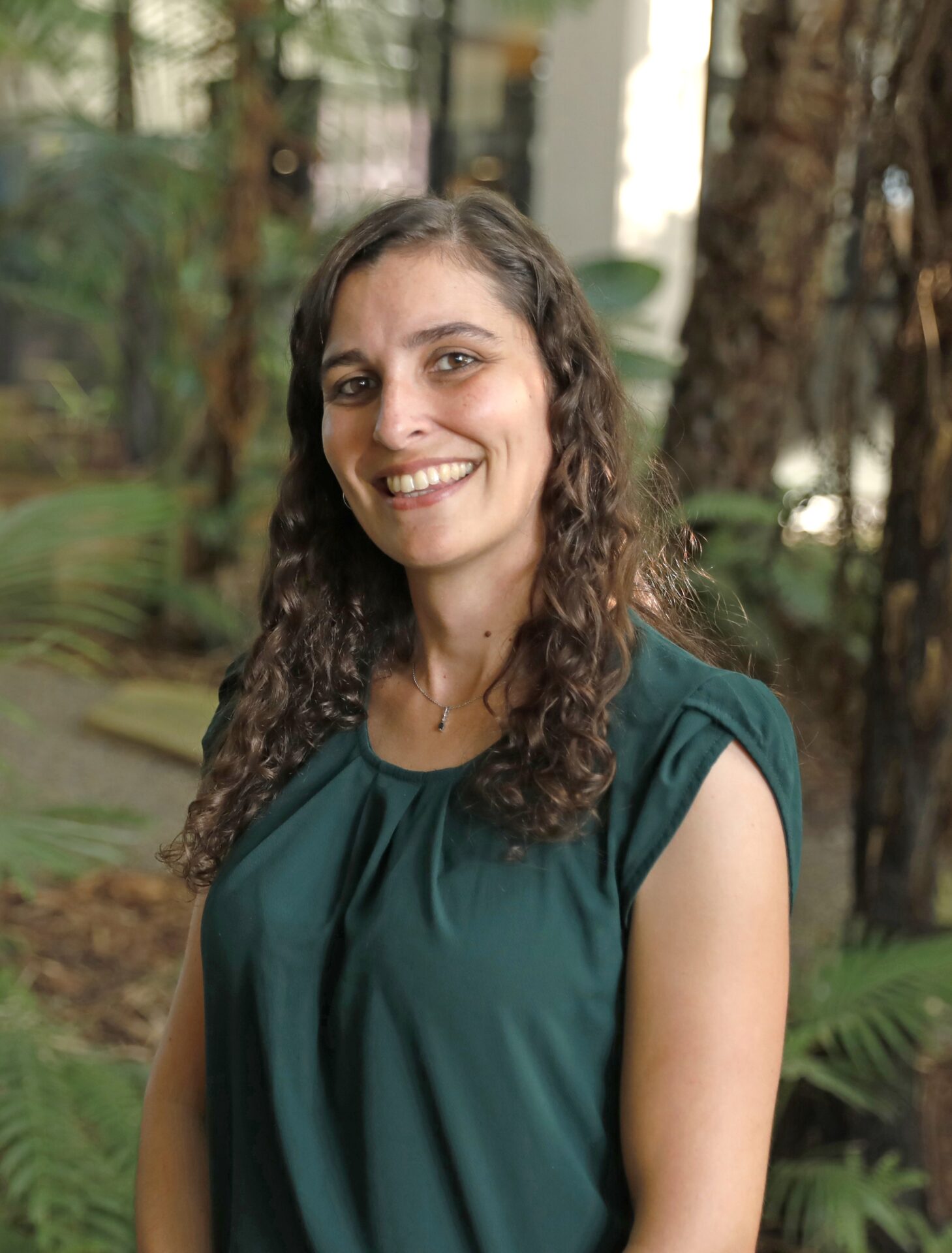
Dr Marie Bigot bridges research, industry and government to improve water quality and aquatic ecosystem health. A passionate mentor and science communicator, she works to make science accessible, practical and impactful.
City/town: Brisbane
State: QLD
STEMM sectors: Data/AI, Environment, Science
Open to being contacted about the following volunteer roles: Mentoring others
Guiding principle: Science has the greatest impact when it is practical, accessible and shared. Every audience is different, and meaningful change starts with understanding how to connect.
Areas of expertise: Water Quality, Aquatic Ecosystem Health, Ecotoxicology, Environmental regulation
Contact Dr Marie Bigot
Q&A
What’s something about your field that most people misunderstand or overlook?
Many people think water quality is simply “good” or “bad”. In reality, the challenge is understanding what is natural, what has changed (or could change) as a result of human activities, and whether those changes actually matter for the ecosystem.
What’s a small, everyday habit or mindset that has made a big difference in how you approach your work?
Like many scientists, I’m a perfectionist. I’ve learned that success isn’t about perfecting every detail. It’s about understanding the bigger picture and directing efforts where they can have the greatest impact. I continually work to prioritise timely action and practical outcomes.
If you could collaborate with anyone (past or present, in or outside STEMM), who would it be and what would you want to explore together?
I don’t have a dream collaborator. The most valuable collaborations in my career started from genuine curiosity and willingness to connect without further expectations. Some conversations became valuable collaborations, some became friendships, some simply broadened my perspective.
What is the thing you enjoy most about your role?
I enjoy the variety. No two projects are the same, and the opportunity to work with different disciplines, stakeholders and environmental challenges keeps me engaged and continually learning.
What drew you to your field in the first place?
I’ve never been much of a swimmer or water-sports enthusiast, yet I’ve always been fascinated by water. The idea that a single resource connects and sustains ecosystems, communities and industries drew me to environmental science.